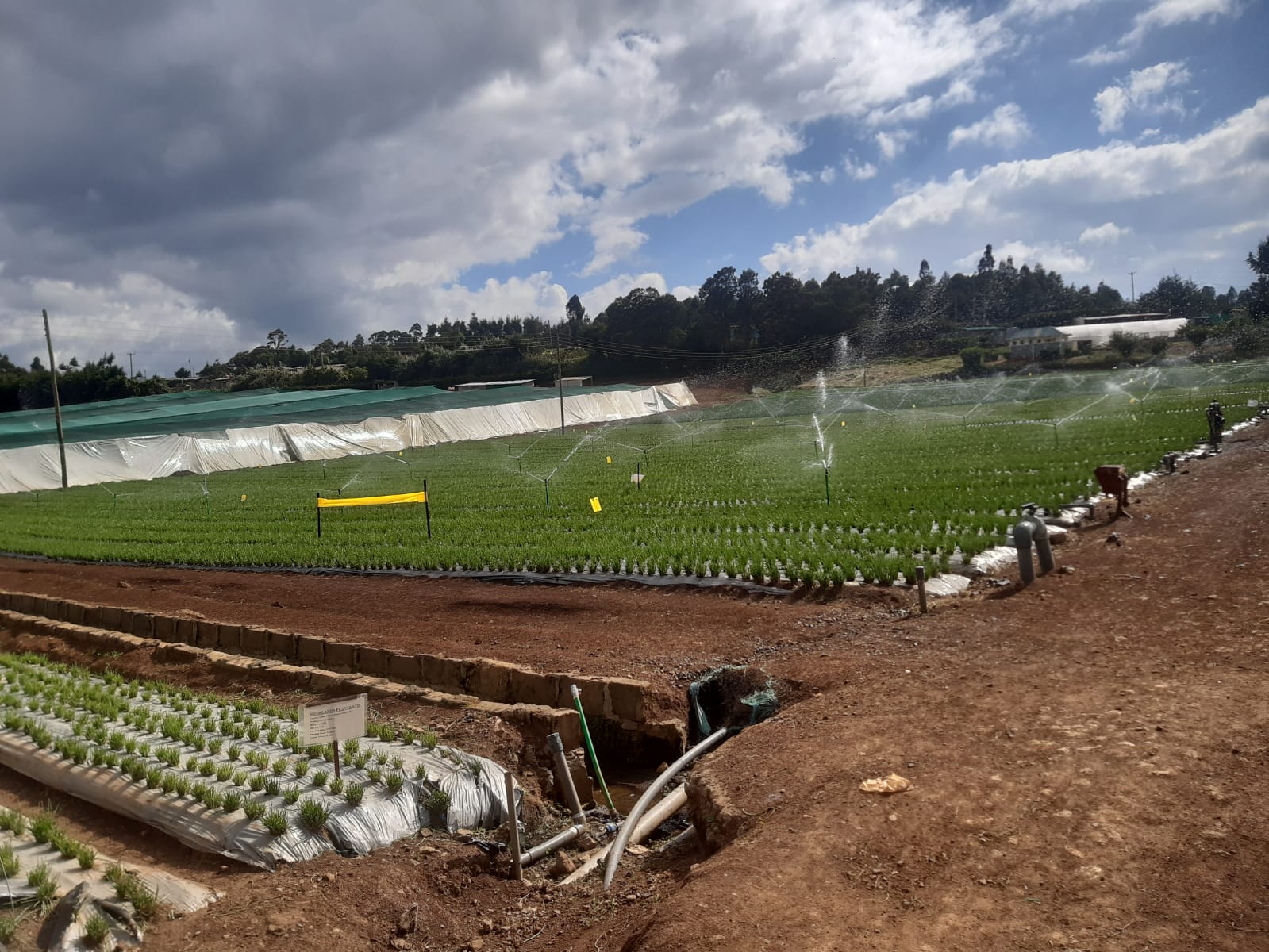
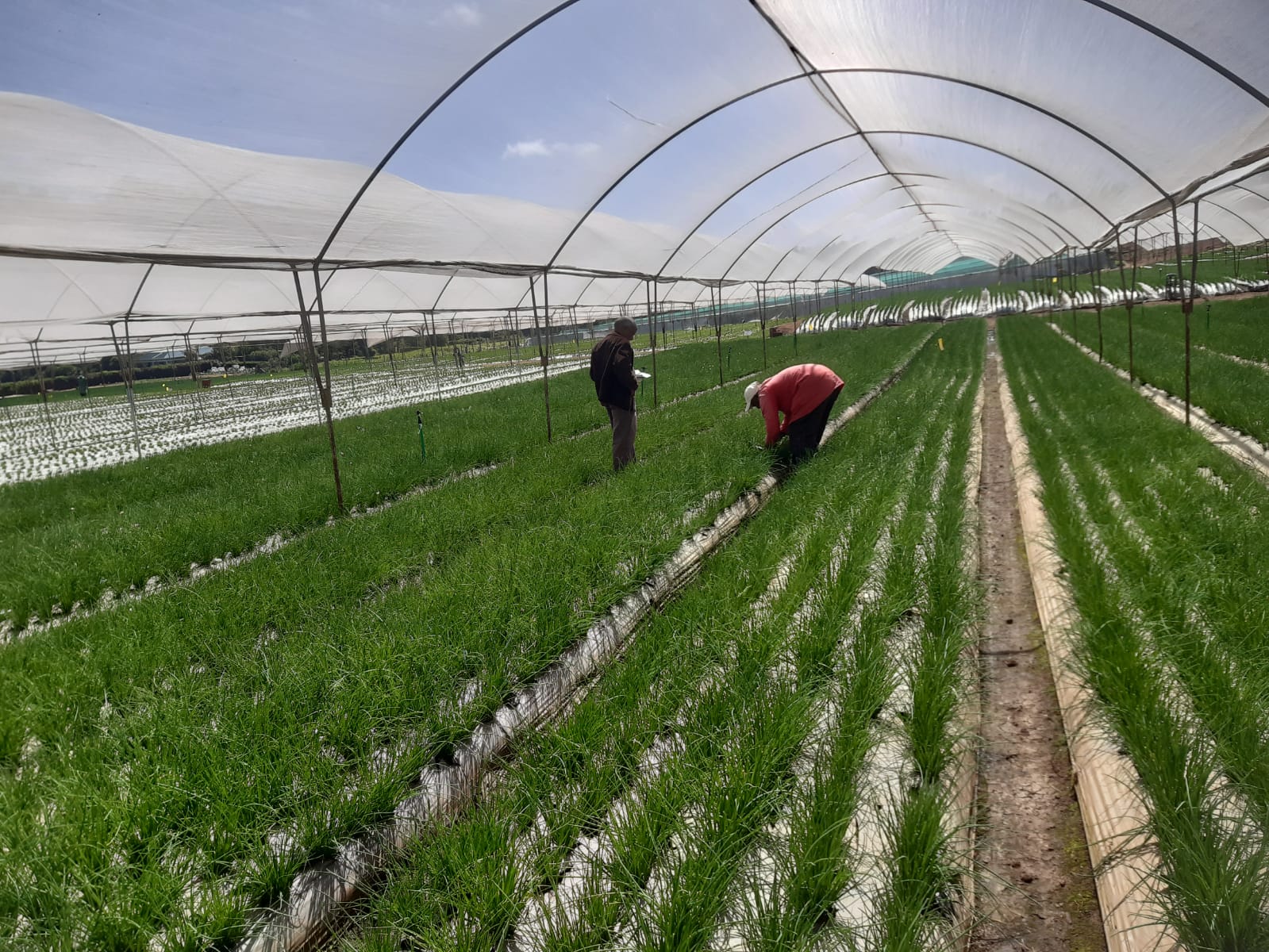
Farm water storage is part of a wider water plan. Before selecting a pond or tank, consider who will use the water, when it is needed, where it can be collected, and how it will reach the point of use. The catchment and the storage site should be assessed together.
A site review should look at ground conditions, runoff paths, access, nearby activity, and the route for pipes or channels. The Ministry of Agriculture's field guide for water harvesting in semi-arid zones discusses feasibility, site selection, catchment runoff, inlets and outlets, and safe overflow. These are useful planning topics to take into a project discussion.
Storage also needs an operating plan. Consider how water quality will be protected, how sediment or debris will be managed, how the structure will be inspected, and where excess water can go safely. The storage design should connect with pumps, distribution lines, and the intended irrigation or building use.
Because local soil, rainfall, topography, and construction conditions vary, a storage concept should be verified on site before work begins. A coordinated plan can bring together the source, storage, conveyance, and end use without assuming one standard solution suits every property.