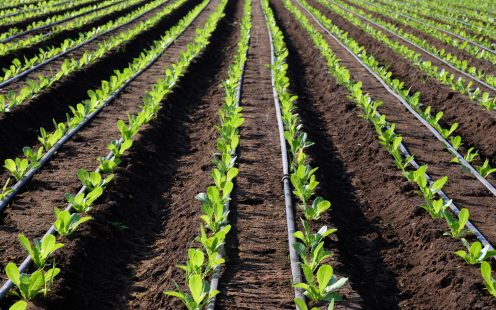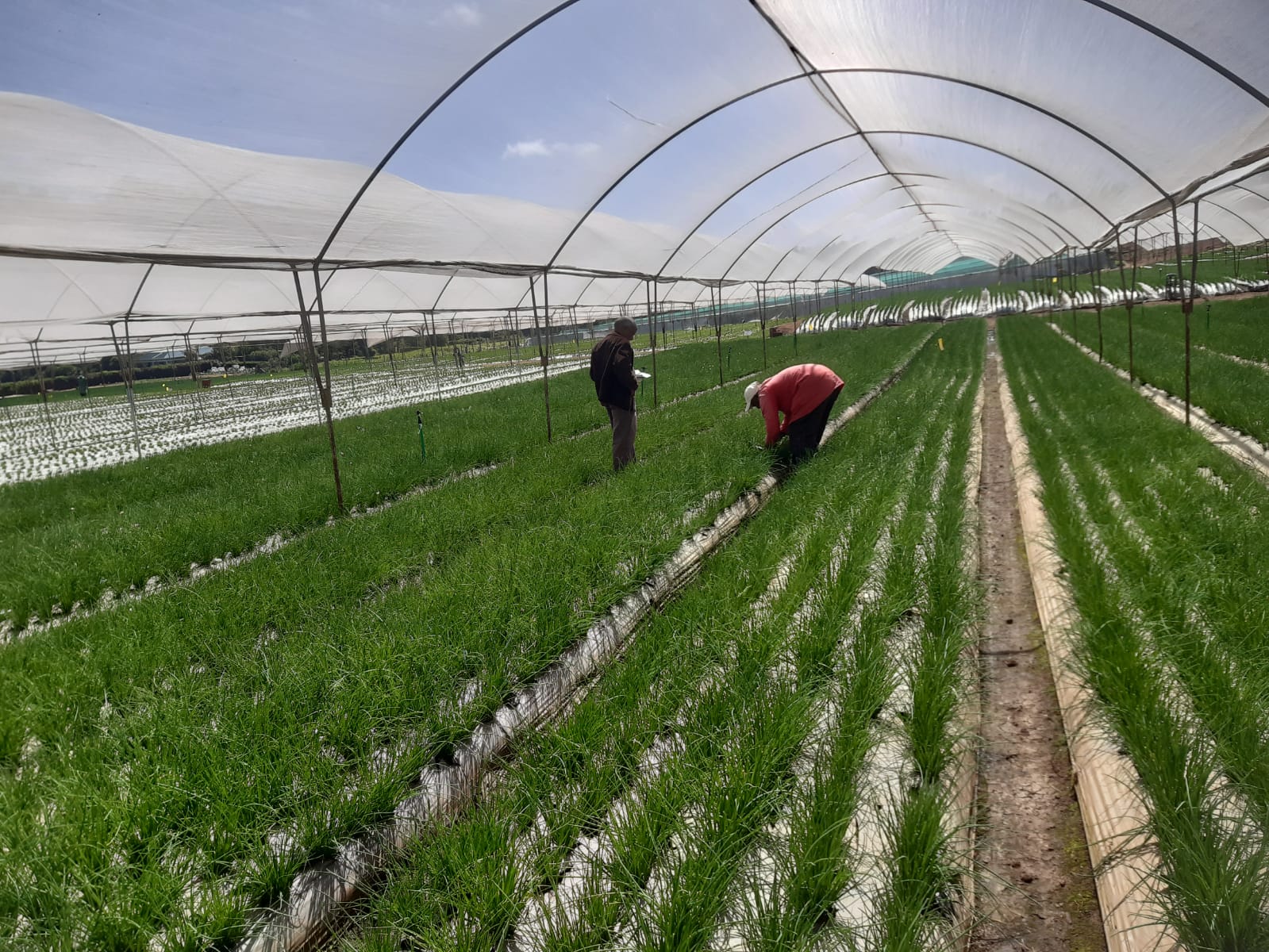
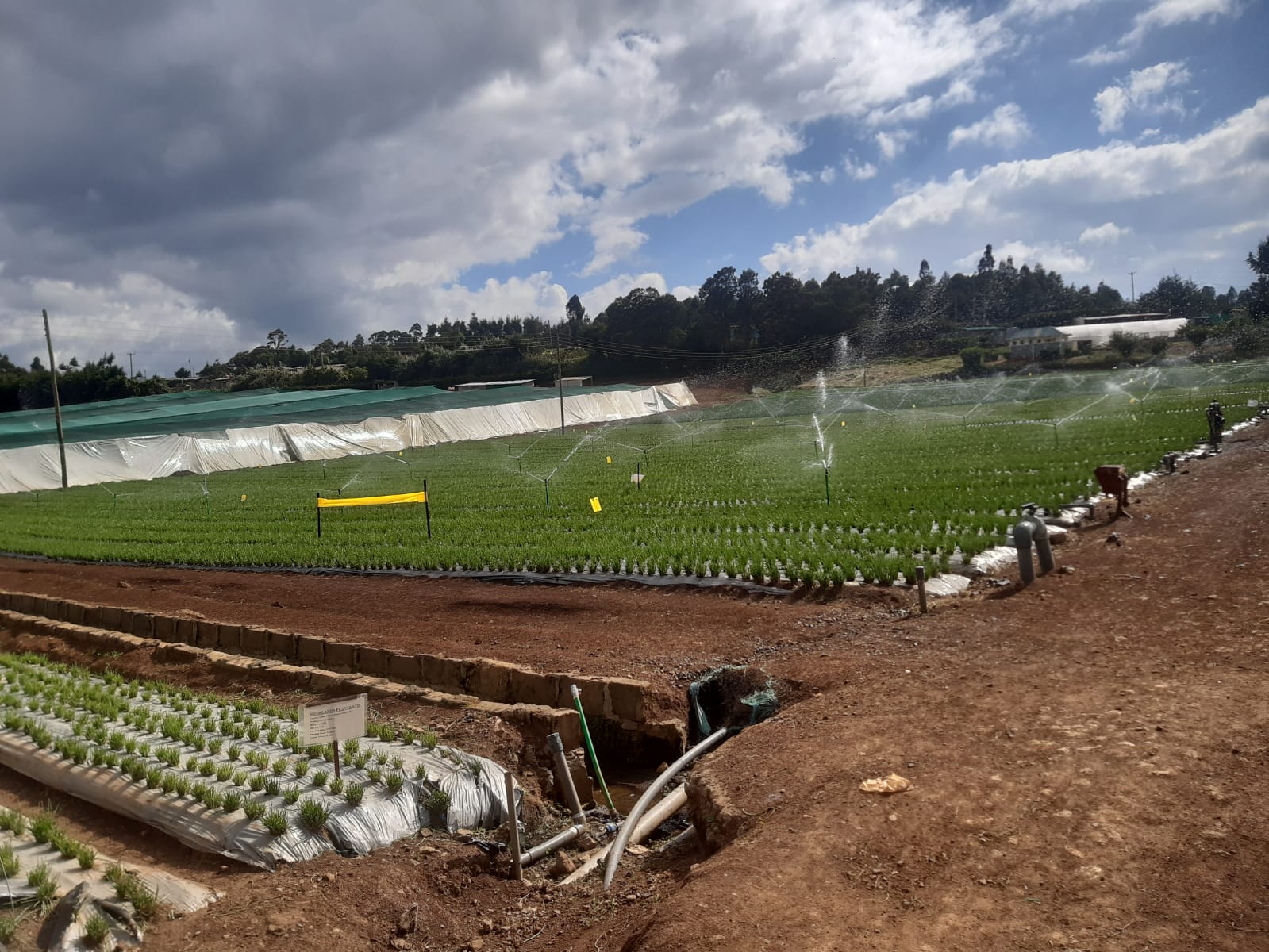
Good irrigation planning starts with the site, not with a catalogue. Begin by describing the water source and how it changes through the year. Note the land shape, existing access, crops, planting pattern, and the areas that need water. These observations help establish a practical brief before equipment is selected.
Next, consider how water will move from source to field. Pumping, conveyance, filtration, pressure, and the layout of field zones all influence the choice and operation of a system. A site assessment can reveal constraints such as elevation changes, long pipe runs, or water quality that deserve attention during design.
Plan for the people who will use and maintain the system. Make controls understandable, allow access to filters and valves, and agree how routine checks will be carried out. KALRO's irrigation and drainage research resources include guidance on small-scale drip systems and their operation; a project-specific design should still be checked against the actual site and water supply.
Before installation, confirm the scope, layout, components, testing approach, and handover support. A clear plan makes it easier to discuss trade-offs, operate the system consistently, and adapt it if the farm changes.