Drip, sprinkler, and rainhose systems distribute water in different ways. The right fit depends on what is being grown, the shape and size of the field, the available water, and how the system will be operated. Start by defining the job each field zone needs to do rather than choosing a method by name alone.
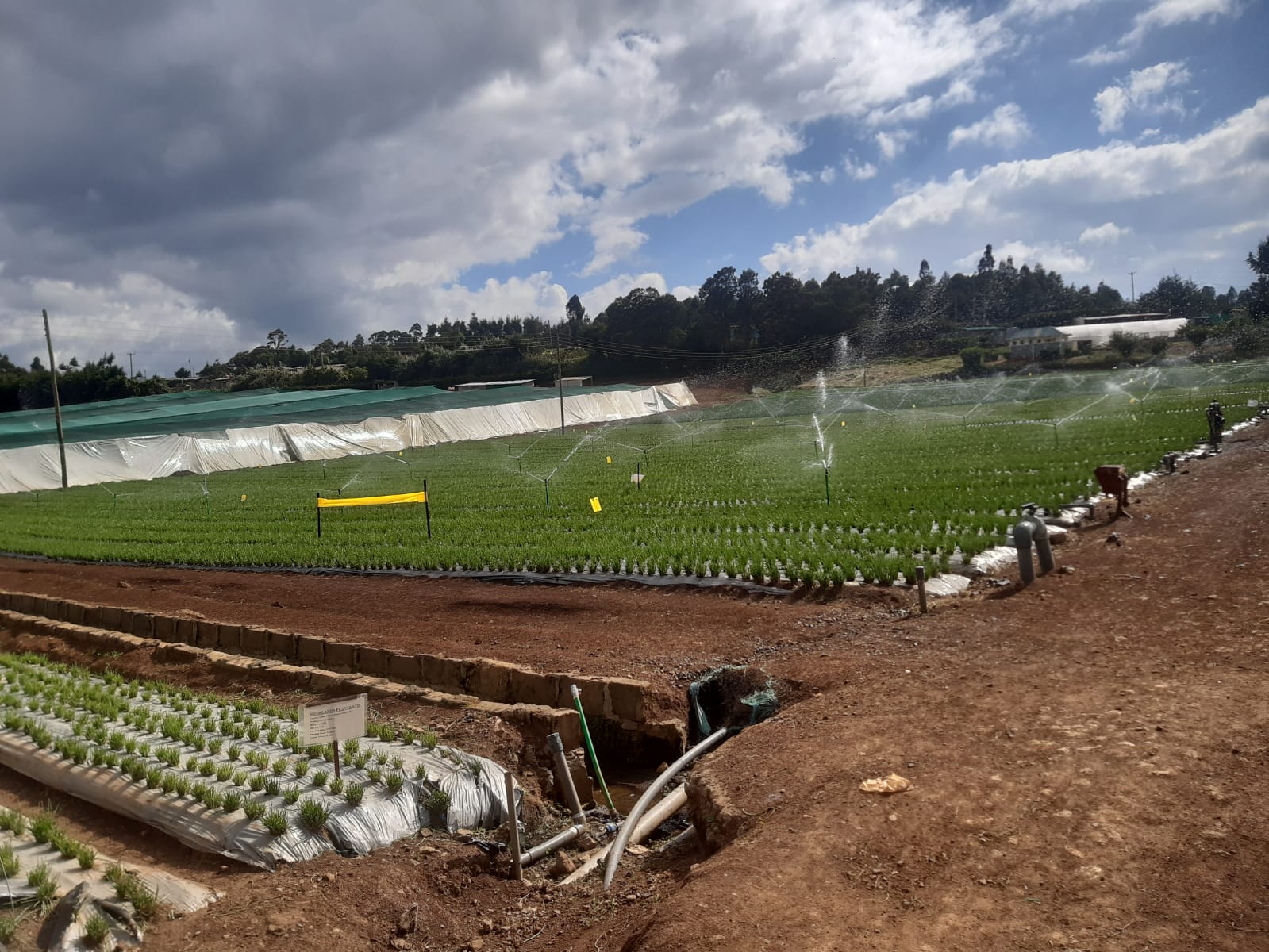
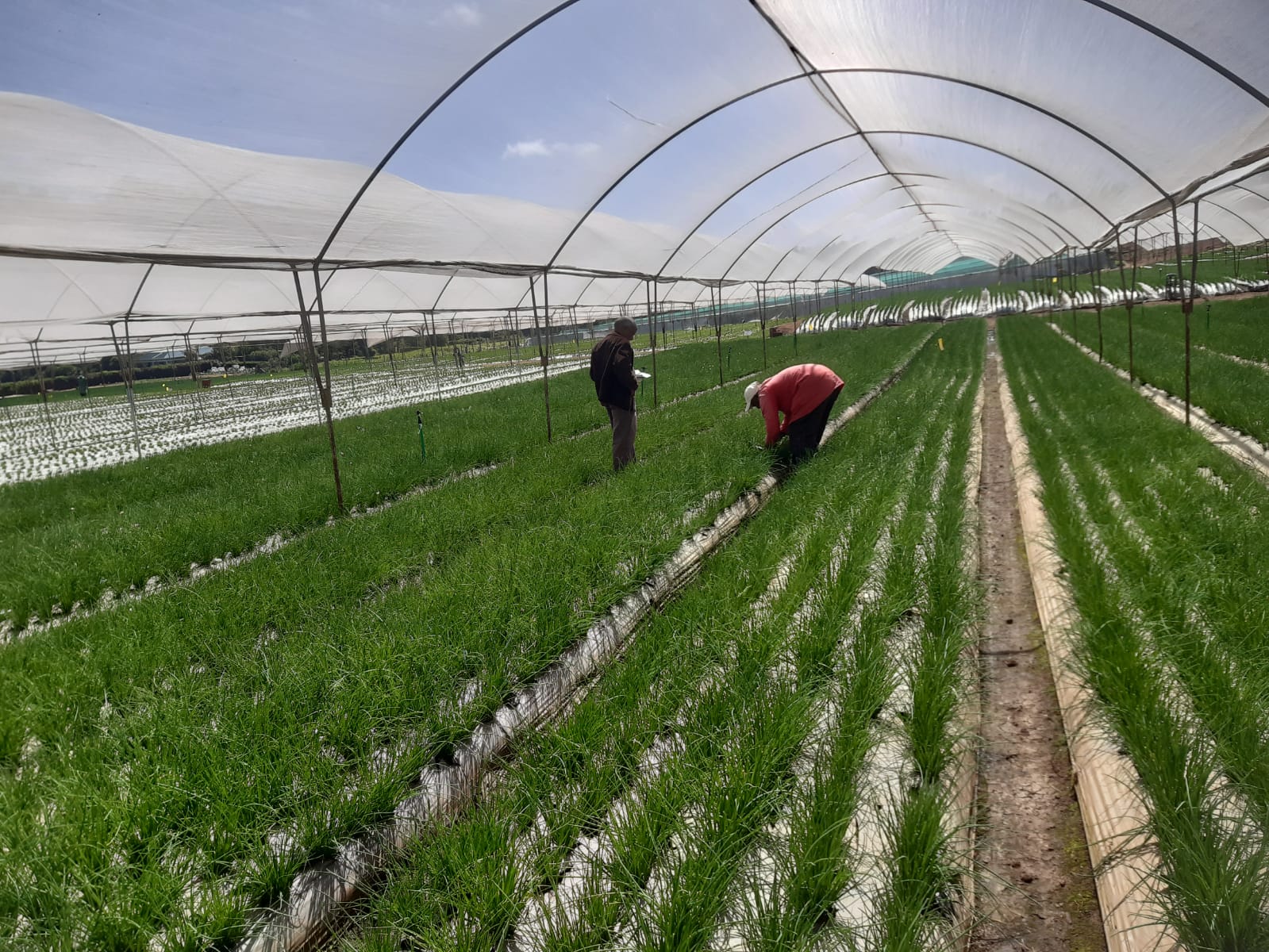
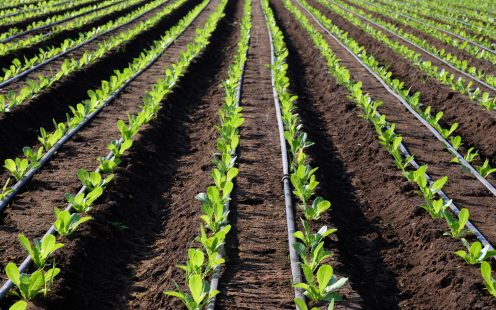
Drip systems deliver water through emitters along laterals and depend on suitable filtration, pressure, and regular checks. Sprinklers apply water over an area and need a layout that accounts for spacing, pressure, and site conditions. Rainhose may suit particular farm layouts and operating preferences. In each case, the design should consider the source, conveyance, distribution, and maintenance together.
The FAO's guidance on improving water-use efficiency emphasizes choosing and managing irrigation in relation to local conditions. That is a helpful principle for comparing options, but it does not replace a site assessment: soil, wind, elevation, crop spacing, water quality, and the operator's routine all matter.
A practical comparison should include installation requirements, operating steps, access to parts, and likely maintenance—not just the initial equipment list. WaterLinks can assess the field and discuss a system layout suited to the project.